
Floting History

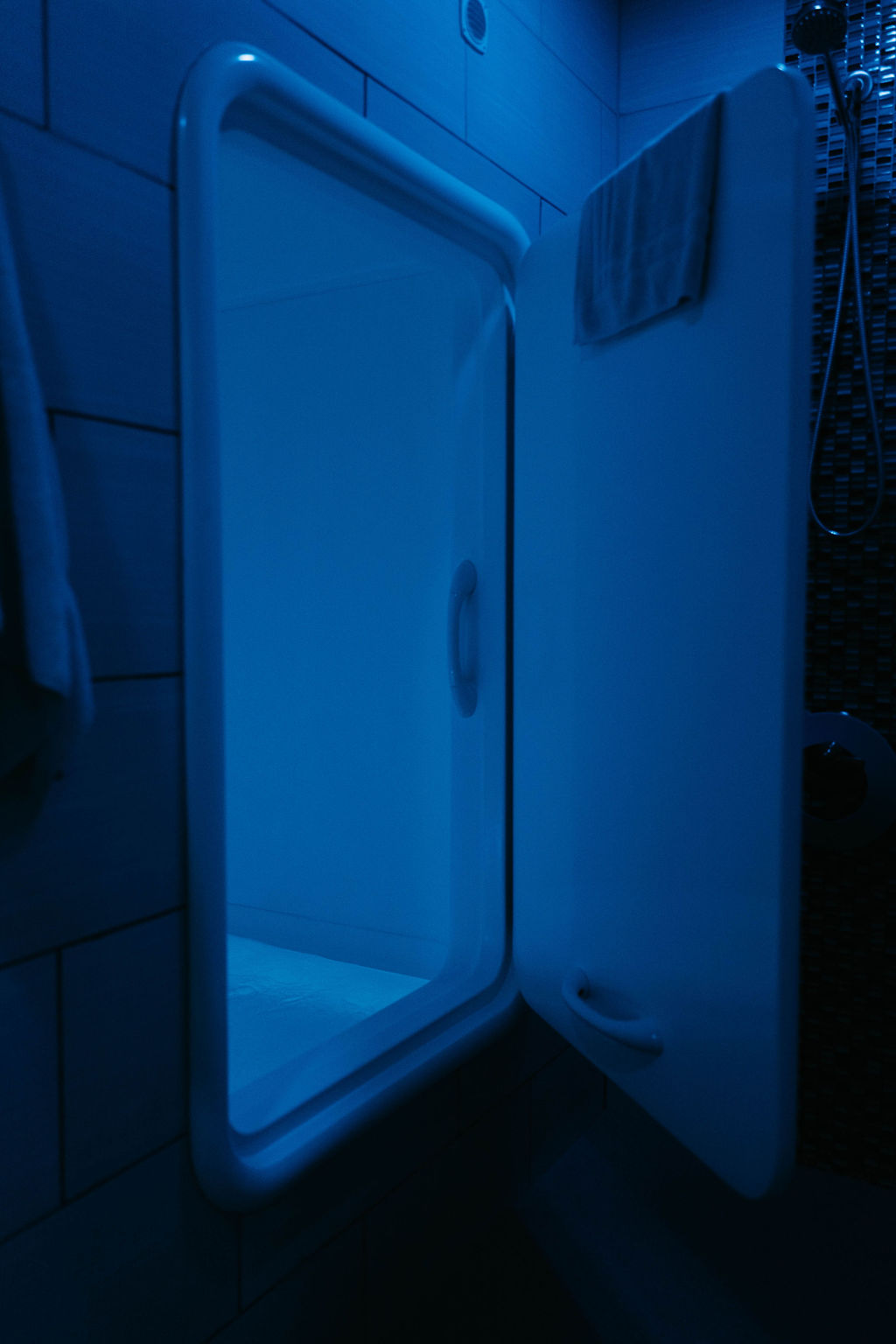
From scientific research to modern wellness practice
The concept of floating therapy began in 1953 when neuroscientist Dr. John C. Lilly started researching how the brain responds when external stimulation is significantly reduced. While working with the U.S. Public Health Service Commissioned Officers Corps, he sought to understand what happens when the mind is isolated from sensory input.
In 1954, Lilly developed the first isolation tank—an enclosed, soundproof environment filled with warm, heavily salted water designed to allow the body to float effortlessly. This created a setting where external sensory input was minimized, allowing the brain and nervous system to enter a deeply relaxed state.
Originally referred to as sensory deprivation, the practice was later redefined as Restricted Environmental Stimulation Therapy (REST). Over time, research and clinical exploration shifted the perception of floating from experimental science to a powerful tool for relaxation, recovery, and mental clarity.

What floating is called today
- Sensory Deprivation Therapy
- Isolation Tank Therapy
- REST (Restricted Environmental Stimulation Technique)
- Float Therapy
- Relaxation Tank Sessions
A space for
deep relaxation and reset
In a world filled with constant stimulation, floating offers a rare opportunity to disconnect and reset. By removing external noise, light, and pressure, the body naturally shifts into a deeply relaxed state where recovery and restoration can take place.
At Samana Float Center, we continue this practice with modern float environments designed for comfort, privacy, and total relaxation—bringing the original vision of sensory isolation into a refined wellness experience.


What our customers are saying?
From floating sessions in our sensory deprivation float tanks to the soothing warmth of our infrared heat saunas and the revitalization of our cold plunge therapy, each experience is designed to rejuvenate your mind, body.


 Trustindex verifies that the original source of the review is Google.
 Trustindex verifies that the original source of the review is Google.
 Trustindex verifies that the original source of the review is Google.
 Trustindex verifies that the original source of the review is Google.
 Trustindex verifies that the original source of the review is Google.
 Trustindex verifies that the original source of the review is Google.
 Trustindex verifies that the original source of the review is Google.
 Trustindex verifies that the original source of the review is Google.